
Sugar Alternatives
Sugar Alternatives
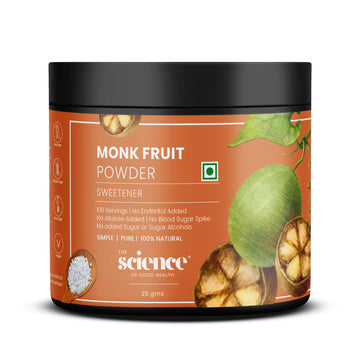
Sugar Alternatives for Modern Health | The Science of Good Health
Sugar alternatives are natural or low-calorie sweeteners designed to replace refined sugar without causing blood sugar spikes. Options like monk fruit provide zero calories, no glycemic impact, and high sweetness potency, making them ideal for weight management, diabetes-friendly diets, and everyday healthier sweetening.
Sweetness doesn’t have to come with compromise. As modern lifestyles demand better health choices, refined sugar is no longer the default. The Science of Good Health focuses on clean, functional nutrition, helping you enjoy sweetness that supports your body, rather than working against it.
What Are Sugar Alternatives?
Sugar alternatives are substances used to replace traditional sugar in foods and beverages. They are designed to deliver sweetness with fewer calories, reduced carbohydrate impact, or improved metabolic response.
These alternatives fall into three broad categories:
-
Natural plant-based sweeteners (like monk fruit and stevia)
-
Low-calorie or zero-calorie sweeteners
-
Functional sweeteners designed for metabolic health
Among these, monk fruit stands out as a clean, plant-derived option with no sugar, no calories, and no glycemic effect.
The Science of Good Health emphasizes purity and formulation quality; its monk fruit sweetener is made with 97% high-potency extract (mogrosides V), the compounds responsible for natural sweetness.
Key Benefits of Using Sugar Alternatives
Switching to sugar alternatives isn’t just about cutting calories; it’s about improving how your body processes sweetness.
-
Supports Blood Sugar Stability: Unlike refined sugar, monk fruit does not spike glucose levels, making it suitable for individuals managing insulin sensitivity or diabetes.
-
Helps with Weight Management: Zero-calorie sweeteners reduce overall calorie intake while still satisfying cravings.
-
Highly Concentrated Sweetness: Monk fruit is 100–300 times sweeter than sugar, meaning only a small amount is needed.
-
Clean and Natural Formulation: Unlike many alternatives that include fillers or sugar alcohols, high-quality options focus on purity and minimal processing.
-
Supports Long-Term Health Goals: Reducing sugar intake is linked to better metabolic health, reduced risk of chronic diseases, and improved energy balance.
For individuals managing diabetes who also want to support their protein intake without compromising blood sugar stability, the diabetic protein powder range at The Science of Good Health offers clean, low-glycemic formulations specifically designed to meet the nutritional needs of those following a diabetes-friendly diet.
How to Choose the Right Sugar Alternative
Not all sugar substitutes are created equal. Here’s what matters when selecting the right one:
1. Purity Over Blends
Many products in the market are diluted with erythritol or additives. Look for high-purity extracts.
Example: The Science of Good Health Monk Fruit Sweetener is formulated with 97% pure extract and no artificial additives, ensuring clean sweetness.
2. Glycemic Impact
If blood sugar control is your goal, choose zero glycemic options like monk fruit.
3. Intended Use
-
For beverages: choose easily dissolvable formats
-
For baking: ensure heat stability (monk fruit works well in cooking)
4. Lifestyle Compatibility
Look for products that align with your diet:
-
Keto-friendly
-
Vegan
-
Low-carb
The Science of Good Health product is carb-free, vegan, and suitable for keto lifestyles, making it versatile across diets. For those who also want to supplement their fitness routine with a protein powder that avoids added sugar entirely, the sugar free protein powder at The Science of Good Health offers clean, high-protein formulations without refined sugar or artificial sweeteners, making them a natural complement to a low-sugar, health-conscious lifestyle.
Who Should Use Sugar Alternatives?
Sugar alternatives are especially useful for:
-
Individuals managing diabetes or blood sugar levels
-
Those pursuing weight loss or calorie control
-
People following low-carb or keto diets
-
Anyone reducing refined sugar intake for long-term wellness
-
Health-conscious individuals seeking cleaner nutrition
How to Use Sugar Alternatives in Daily Life
Using sugar alternatives is simple; just adjust for sweetness intensity.
-
Add a pinch to tea or coffee
-
Blend into smoothies or protein shakes
-
Use in baking recipes (reduce quantity due to potency)
-
Sweeten desserts, yogurt, or oatmeal
Because monk fruit is significantly sweeter than sugar, a small amount goes a long way, making it both efficient and effective. For those who also want to support digestive health and skin wellness as part of their broader low-sugar nutrition routine, the aloe vera juice from The Science of Good Health offers an organic, inner fillet formulation that complements a clean eating approach by supporting gut health and natural skin nourishment from within.
Why Choose The Science of Good Health
The brand stands apart by focusing on science-backed, clean formulations rather than trend-driven products.
-
High-potency, pure ingredients
-
No fillers, no artificial additives
-
Designed for real, everyday use
-
Built around long-term wellness, not quick fixes
Their monk fruit sweetener reflects this philosophy: simple, effective, and aligned with modern health needs.
Real Customer Experiences
-
“I switched from sugar to this monk fruit sweetener and noticed immediate differences in my energy levels.”
-
“Perfect for my morning coffee, no aftertaste, just clean sweetness.”
-
“Finally found a sugar alternative that works for my keto diet without compromise.”
Frequently Asked Questions
Q1. What are the best sugar alternatives for diabetics?
Natural zero-calorie options like monk fruit and stevia are considered among the best because they do not raise blood sugar levels.
Q2. What is a good brown sugar alternative?
Monk fruit blends or natural sweeteners can replicate sweetness without the glycemic load of brown sugar.
Q3. What are the best sugar alternatives for tea?
Monk fruit is ideal for tea as it dissolves easily and requires only a small amount for sweetness.
Q4. What are the best sugar alternatives for coffee?
Zero-calorie sweeteners like monk fruit provide sweetness without altering the flavor profile of coffee.
Q5. Which sugar alternatives support weight loss?
Low-calorie or zero-calorie options like monk fruit help reduce overall calorie intake, supporting weight management.
Q6. Where can I buy high-quality sugar alternatives?
You can purchase clean, high-purity options directly from The Science of Good Health website.
Q7. How do I choose the best sugar alternative brand?
Look for purity, no additives, zero glycemic impact, and transparent ingredient sourcing.
Q8. Is monk fruit better than artificial sweeteners?
Monk fruit is plant-based and free from synthetic chemicals, making it a preferred natural alternative.
Q9. Can sugar alternatives be used in baking?
Yes, many options like monk fruit are heat-stable and suitable for cooking and baking.
Q10. Are sugar alternatives safe for daily use?
Most natural options like monk fruit are considered safe for regular consumption when used in moderation.


